
CBD and Athletic Recovery: What the Evidence Actually Says
By Brandon Hockaday, PharmD, Founder & Clinical Director, Hockaday Rx
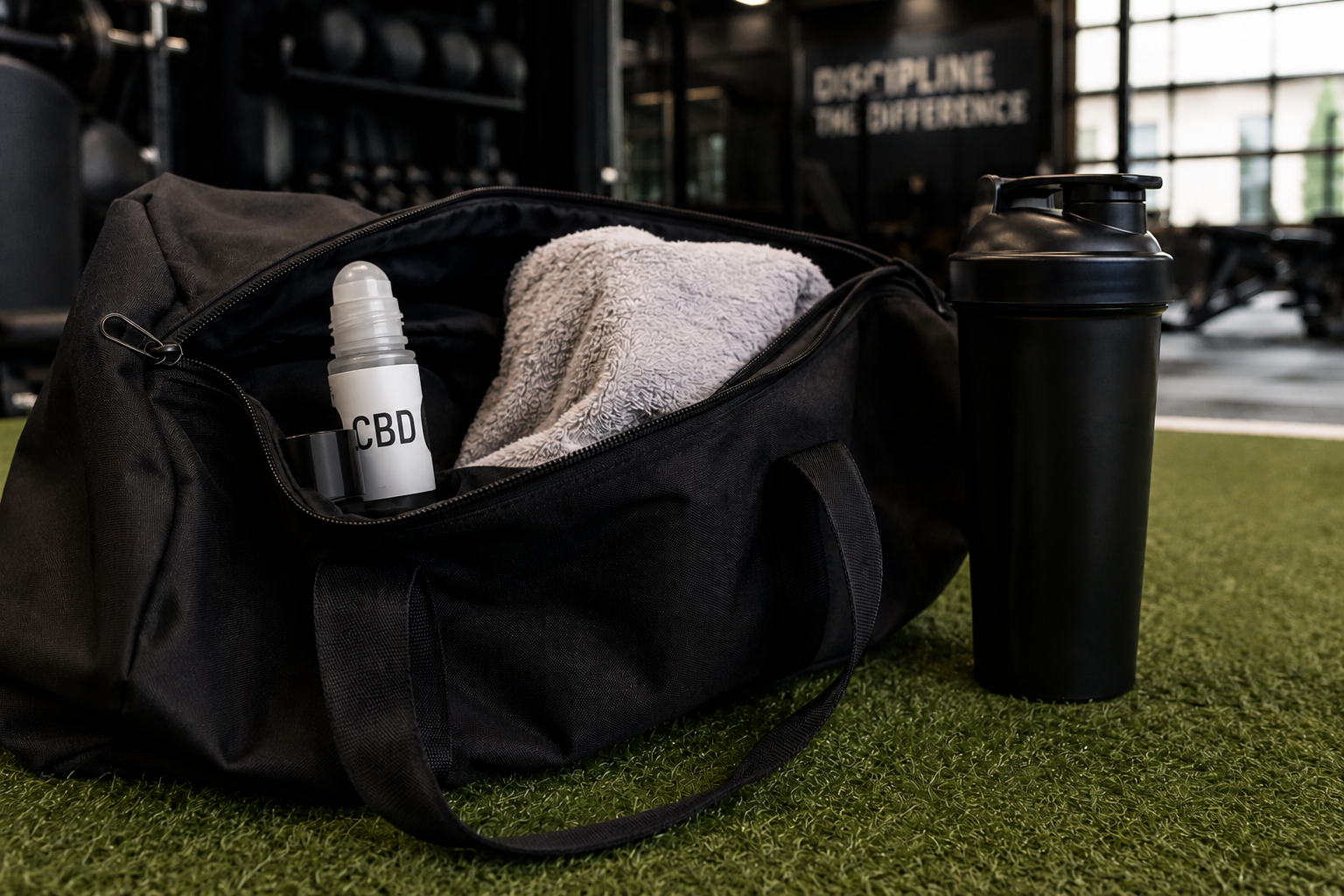
Walk through any gym, training facility, or locker room today and you'll hear athletes talking about CBD. From NFL veterans to international rugby players, cannabidiol has become one of the most talked-about recovery tools in sport. But popularity isn't proof. The science is still mixed, the products are wildly inconsistent, and for any athlete competing under anti-doping rules, one contaminated bottle can end a season. So let's separate the hype from the hope — and look at what the evidence, and the rulebook, actually say.
Why athletes are reaching for CBD
Recovery has become as important as training itself. Athletes are chasing better sleep, less soreness, calmer pre-competition nerves, and faster turnaround between sessions — and CBD for athletic recovery has stepped into that conversation as a non-intoxicating option.
CBD is a cannabinoid derived from hemp. Unlike THC, it doesn't produce a high. Instead, it interacts indirectly with the body's endocannabinoid system, which helps regulate pain perception, inflammation, mood, and sleep. That mechanism is why athletes report reaching for it to support recovery rather than to chase a performance edge.
Part of why CBD went mainstream in sport is that recognizable athletes started talking about it openly.
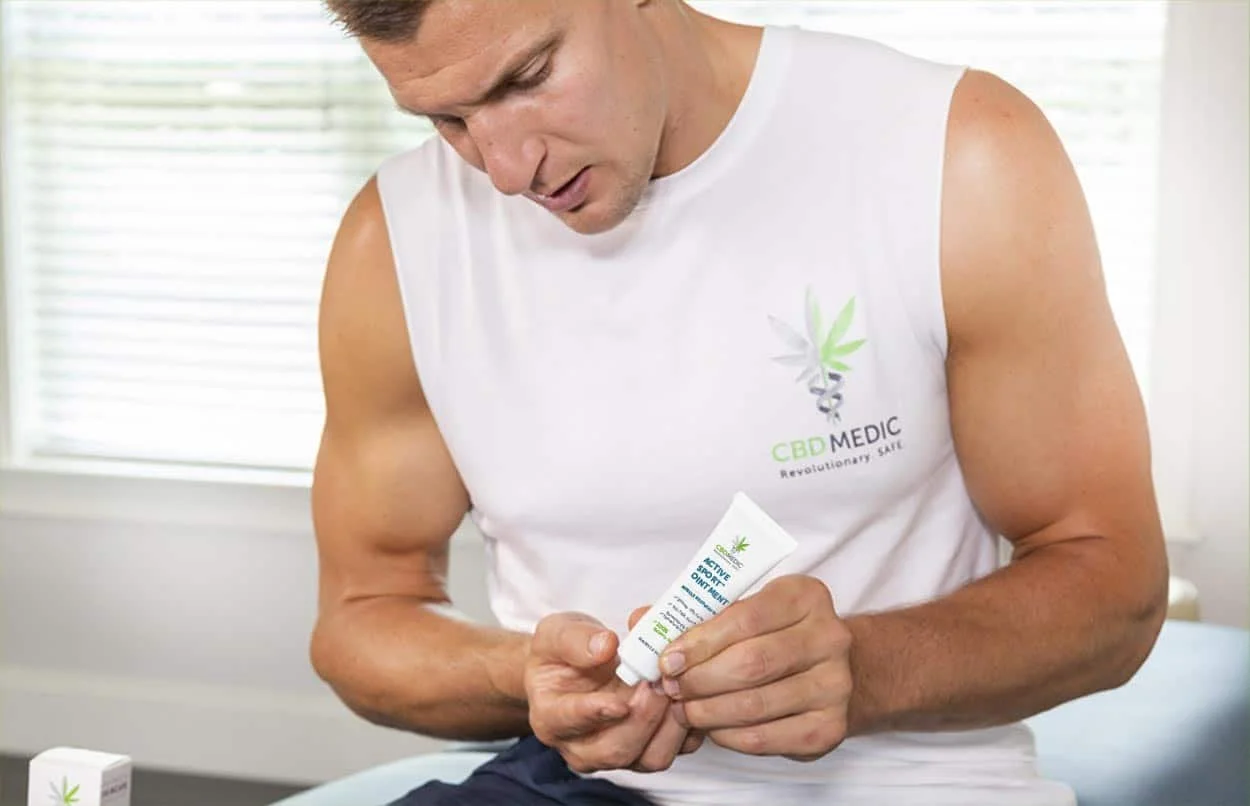
Former Patriots tight end Rob Gronkowski retired in 2018 citing chronic pain and later became a vocal advocate, crediting CBD as part of how he managed discomfort and slept better in retirement. Former Pro Bowl quarterback Jake Plummer has spent years pushing for cannabinoid research, describing CBD's role in managing the lingering pain and inflammation of a football career. And former England rugby international George Kruis turned his own recovery struggles into a THC-free CBD company built specifically for athletes who have to stay compliant with anti-doping rules.
These stories matter — but they're anecdotes, not data. And the most important thing they share is telling: these athletes weren't chasing performance. They were chasing recovery.
Does the science actually back it up?
Here's where a pharmacist has to be straight with you. Current research suggests CBD may support better sleep, reduced anxiety, certain chronic pain conditions, and inflammation in some circumstances. That's a genuinely promising list.
But the evidence specifically in athletes is thin. Many studies are small, use wildly different CBD formulations, or look at non-athlete populations. We can't yet say CBD reliably improves athletic recovery or performance, because the high-quality trials in athletes simply haven't been done at scale. This is exactly the gap our research collaboration with USC is built to help close — rigorous, athlete-focused study of where cannabinoids genuinely help and where the hype outruns the data.
So the honest position is: promising, plausible, and not yet proven. "May support" is the accurate phrase. "Treats" is not.
Could CBD be performance-enhancing?
Short answer: not directly. CBD doesn't increase strength, speed, endurance, or power.
The debate is about indirect benefit. If CBD reliably improved sleep, pain, and anxiety, an athlete might train more often, recover faster, and return from injury sooner — and that could shape performance over a season. It's a reasonable hypothesis. But to date there's no convincing evidence that CBD enhances athletic performance, directly or indirectly. It belongs in the recovery conversation, not the performance-enhancement one.
The rules: WADA, USADA, and the NCAA (this part changed)
The single most dangerous myth among athletes is "CBD is legal everywhere, so I'm fine." The reality is more complicated, and the rules differ by governing body.
WADA and USADA.
The World Anti-Doping Agency removed CBD itself from its prohibited list in 2018, and it remains permitted. But THC and other cannabinoids are still prohibited in-competition, with a urinary threshold of 150 ng/mL. Because many commercial CBD products contain measurable THC despite their labels, an athlete can fail a test from a product they believed was compliant. USADA has repeatedly warned that using CBD products carries real risk precisely because the supplement industry isn't uniformly regulated.
The NCAA — and this is the part most older articles get wrong. As of June 2024, the NCAA removed cannabinoids from its banned-substance list across all divisions. THC is no longer tested for at NCAA championships or postseason events, and the organization has shifted to a harm-reduction approach, treating cannabis more like alcohol. That's a major change from the previous regime of championship testing and lost eligibility."
One crucial caveat remains: the regular season is different. Individual schools still set and run their own in-season drug-testing policies, so a student-athlete is not automatically in the clear year-round. And any athlete who also competes under WADA/USADA jurisdiction is still bound by those stricter in-competition rules. Always check the specific body you answer to.
The real risk isn't CBD — it's the bottle
Step back and the biggest danger usually isn't the cannabidiol. It's product quality. Independent testing has repeatedly found over-the-counter CBD products that contain more THC than advertised, less CBD than listed, undisclosed synthetic cannabinoids, or simply inaccurate labels.
For anyone subject to drug testing, that's the whole ballgame. The single most protective step is choosing products that carry rigorous third-party certification such as NSF Certified for Sport — the standard designed to verify that what's on the label is what's in the bottle, and that no banned substances came along for the ride.
Where a sports pharmacist comes in
This is the gap Hockaday Rx exists to close. A sports pharmacist is uniquely positioned to help an athlete use CBD safely — reviewing interactions with current medications, flagging contamination risk, translating the anti-doping rules for the specific body you compete under, weighing the actual evidence behind a recovery claim, and pointing to safer, certified alternatives when a product doesn't hold up. As CBD interest keeps growing, that pharmacist-led layer of protection is what stands between an athlete and an avoidable failed test. It's the work we do every day — see our approach to pharmacist-led supplement audits.
The bottom line
CBD is one of the most promising — and most misunderstood — corners of sports recovery. The stories from athletes like Gronkowski, Plummer, and Kruis helped normalize honest conversation about pain, sleep, and recovery. But anecdote isn't evidence, and a label isn't a guarantee.
For competitive athletes, the hardest question often isn't does CBD work — it's does the product in my hand contain something that could cost me my eligibility. Until stronger clinical research lands, treat CBD as a promising recovery tool with real potential, real regulatory stakes, and a real need for better data. Use it with eyes open, certified products, and a pharmacist in your corner.
Hockaday Rx provides educational content and general information. We are not a licensed pharmacy, and do not sell, furnish, compound, or dispense prescription or dangerous drugs. Nothing on this site, in our newsletter, or on our social channels establishes a pharmacist-patient relationship. This content does not replace personalized care from your prescriber, pharmacist, or physician. Always consult a qualified healthcare provider before starting, stopping, or changing any medication or supplement regimen.
#HockadayRx #SportsPharmacy #CBD #AthleticRecovery #CleanSport #WADA #NSFCertifiedForSport #CannabisAndCBD #PharmacistLed