
Raúl Jiménez, Head Injury Recovery, and the Return to Play
By Brandon Hockaday, PharmD, Founder & Clinical Director, Hockaday Rx
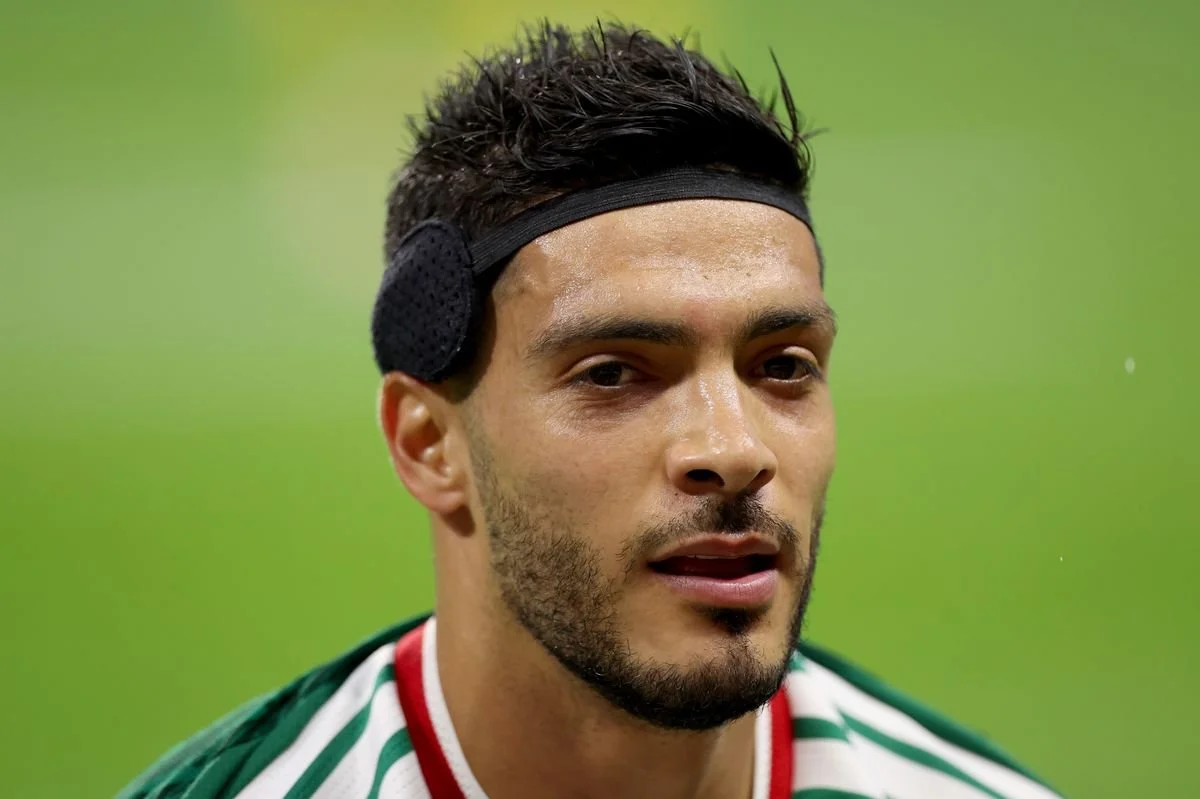
Raúl Jiménez wears a medically approved protective head guard.
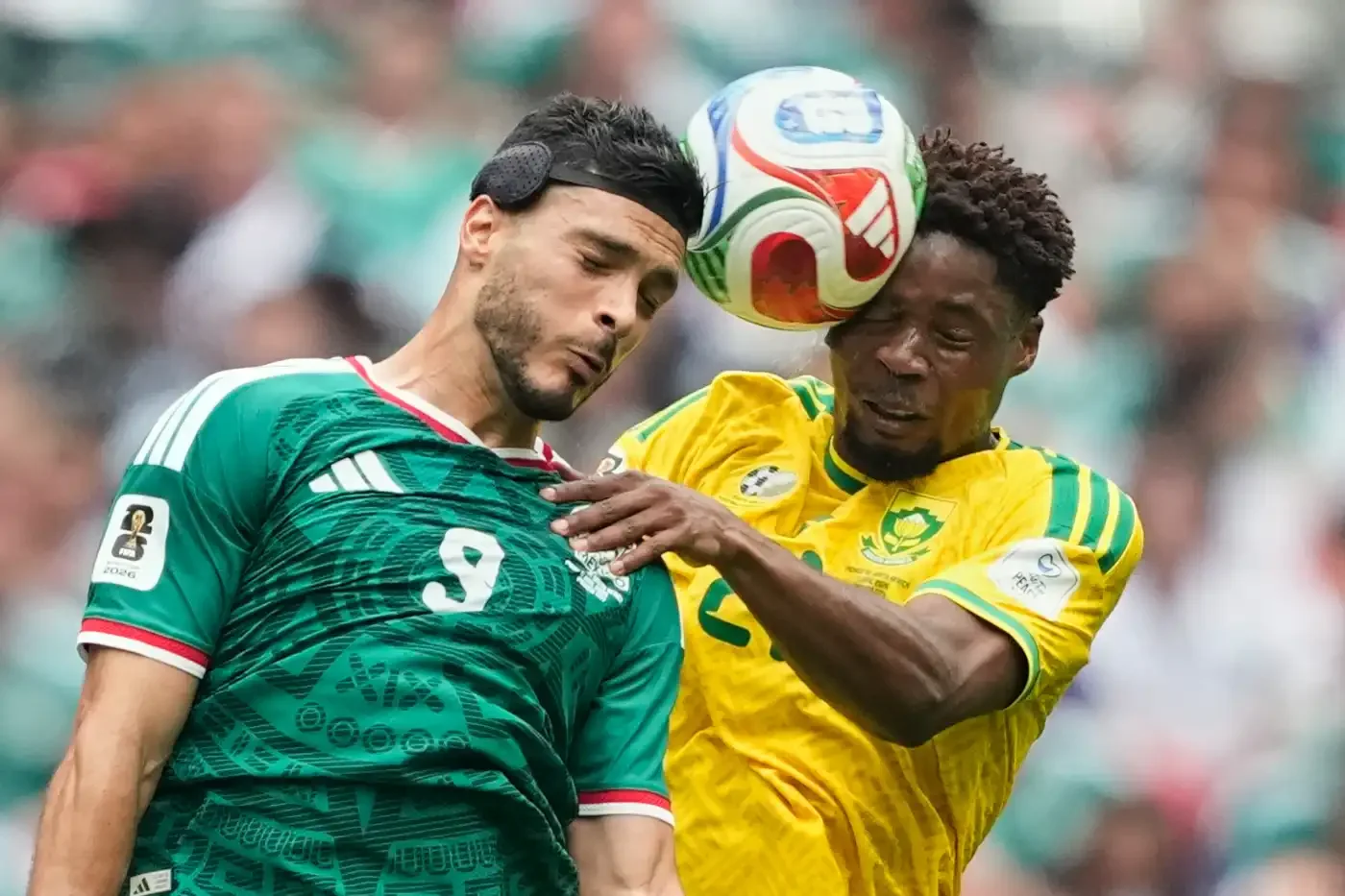
When Mexico walked out at the Estadio Azteca to face England in the Round of 16, my eyes were on the number nine leading the line. Raúl Jiménez has already scored twice at this World Cup — a header against South Africa in the opener, then the strike that sealed the win over Ecuador. And every time he rises for a ball, he's wearing a slim black band around his head.
That band is not a superstition or a fashion choice. It's a medically approved protective head guard, and it's the visible edge of one of the most serious head injury recovery stories in modern sport. Five years ago, this comeback was not supposed to happen at all.
What actually happened to Raúl Jiménez
In November 2020, playing for Wolverhampton Wanderers against Arsenal, Jiménez collided head-first with defender David Luiz while challenging for the ball. He was knocked unconscious on the pitch, rushed to a London hospital, and underwent emergency neurosurgery for a fractured skull. Surgeons later admitted he was fortunate to be alive.
He returned to competitive football roughly nine months later — a fast timeline for the body, a long one for the mind. By his own account, getting comfortable heading the ball again took time. Which is exactly why a header as his first-ever World Cup goal carried the weight it did. The custom device he now wears is built from breathable elastic, strategically placed padding, and protective composite layers designed to absorb and distribute the force of collisions and headers, while adding stability around the area that was surgically repaired. Medical experts advised him to keep wearing it for the rest of his career.
Why a "return to play" is more than clearance to run
Here's the part fans don't see. Recovering from a serious head injury — a concussion or a traumatic brain injury (TBI), the medical term for damage caused by an impact to the head — is not a single green light. It's a staged, monitored process. Athletes move through graduated return-to-play protocols: light activity, then sport-specific movement, then contact, then competition, with a medical team watching for symptoms at every step before advancing.
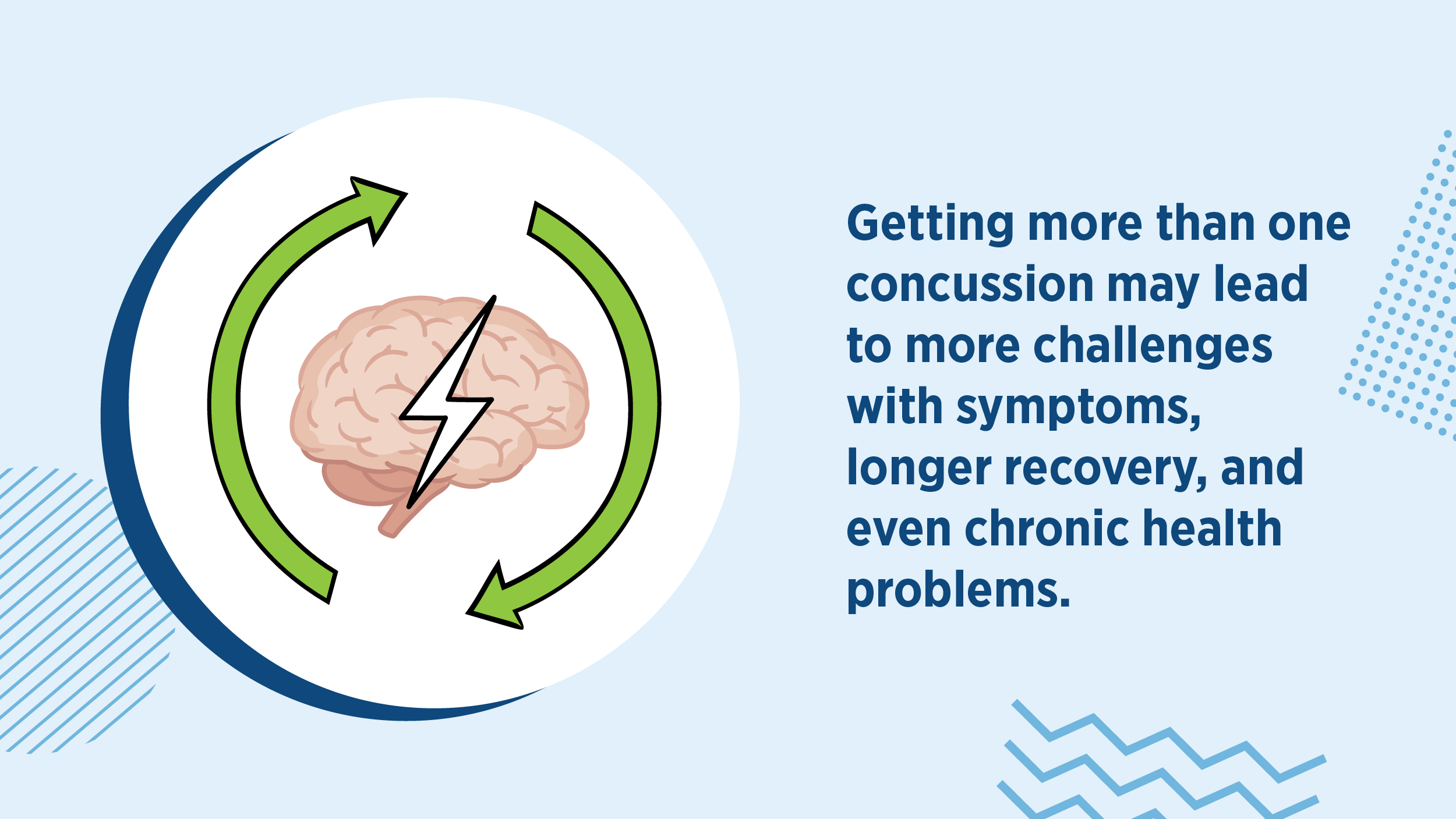
The reason for that caution is a real physiological risk. Returning too soon, before the brain has fully settled, leaves an athlete more vulnerable to a second injury — and repeat impacts in a compromised window can be far more dangerous than the first. Protective gear like Jiménez's helps blunt force, but it is one layer inside a much larger system of assessment, patience, and professional oversight. The headband gets the camera. The protocol behind it is the actual save.
Where a sports pharmacist fits into the recovery team
This is the part of the story that rarely gets told, and it's exactly where a pharmacist-led approach earns its place. Head-injury recovery isn't only neurosurgery and physio. It's medication management — and that's a pharmacist's home turf.
In the acute and recovery phases, athletes are often navigating pain, sleep disruption, headaches, and mood changes. Every one of those touch points involves choices about what to take, what to avoid, and how those choices interact. A sports pharmacist helps a medical team think through questions like: which pain-management options make sense without masking symptoms the doctors need to track, how a given medication might interact with others already in play, and whether anything on the list could compromise sleep — the single most important input to brain recovery. It's oversight, not guesswork.
None of this is a substitute for the physicians and neurologists leading care. It's the layer that makes their plan safer to execute day to day — the person whose job is to catch the interaction nobody else was looking for.
The clean-sport wrinkle nobody mentions
There's one more complication that lives at the intersection of medicine and rules — and it's core to who we are as a clean-sport pharmacy. An elite athlete recovering from a head injury still has to stay compliant with anti-doping regulations. Some medications that are useful in recovery appear on the WADA prohibited list, which means an athlete may need a Therapeutic Use Exemption (TUE) — formal medical authorization to use an otherwise-banned substance for a legitimate condition — before it can be used in competition.
That's a paperwork-and-pharmacology problem at the same time, and it's precisely the kind of situation where pharmacist oversight keeps a recovery both effective and clean. Getting well and staying eligible should never be in tension — but without someone watching both, they can be. You can read more from USADA on how the TUE process works for athletes managing real medical needs.
The takeaway for the rest of us
Most of us will never head a ball in front of 80,000 people at the Azteca. But youth athletes, weekend players, and their parents face the same core truths Jiménez's story makes vivid: head injuries are serious, recovery is staged and should never be rushed, protective equipment supports safety but doesn't replace judgment, and the smartest recoveries are the ones with the most eyes on them. If you or someone you coach takes a significant blow to the head, the move is professional evaluation first — always. Resources like the CDC's HEADS UP concussion guidance are a solid starting point for understanding the signs and the timeline. For questions about the medications and supplements that show up during recovery, that's a conversation worth having with a pharmacist or physician who knows your full picture.
The game behind the game
Jiménez's headband has become a symbol — of resilience, of a career that refused to end on a stretcher. But look closer and it's a symbol of something bigger: what it takes to bring an athlete back the right way. Surgeons, neurologists, physios, protective engineering, and yes, the quiet pharmacology of a safe, clean recovery. That's the game behind the game. Whether an athlete is chasing a World Cup or just chasing their kid across a soccer field again, they deserve a full team watching their recovery — not just the part the cameras can see.
#HockadayRx #SportsPharmacy #ReturnToPlay #HeadInjury #CleanSport #WorldCup2026 #AthleteRecovery #RaulJimenez
〰️
#HockadayRx #SportsPharmacy #ReturnToPlay #HeadInjury #CleanSport #WorldCup2026 #AthleteRecovery #RaulJimenez 〰️
Hockaday Rx is a performance sports pharmacy and wellness practice based in Inglewood, California, helping athletes and active people perform, recover, and stay well. Learn more about our approach.Hockaday Rx provides educational content and general information. We are not a licensed pharmacy, and do not sell, furnish, compound, or dispense prescription or dangerous drugs. Nothing on this site, in our newsletter, or on our social channels establishes a pharmacist-patient relationship. This content does not replace personalized care from your prescriber, pharmacist, or physician. Always consult a qualified healthcare provider before starting, stopping, or changing any medication or supplement regimen.