
The Science Behind CBD for Recovery
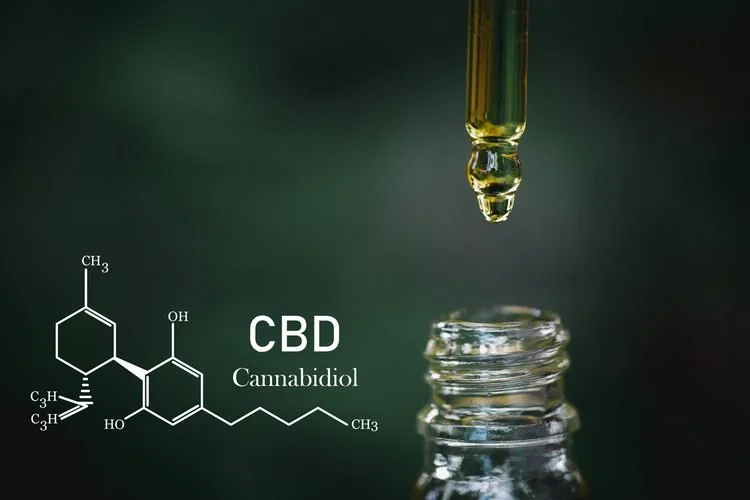
Understanding the Real Mechanisms Behind CBD's Anti-Inflammatory Power
If you've been paying attention to the recovery supplement market over the past few years, you've likely noticed CBD products appearing everywhere—from professional locker rooms to your local health food store. Athletes at every level are incorporating cannabidiol into their recovery protocols, but most don't understand the actual science behind why CBD might help reduce inflammation and speed recovery after intense training.
For athletes who demand evidence-based supplementation—and want to avoid the dangerous supplement-drug interactions affecting thousands annually—understanding CBD's real mechanisms is essential.
What Is CBD and How Does It Work?
Cannabidiol is one of over four hundred cannabinoid compounds found in cannabis, but unlike THC, CBD produces no psychoactive effects. The World Anti-Doping Agency removed CBD from its prohibited substances list in 2018, making it legal for competitive athletes.
While THC binds strongly to cannabinoid receptors in your brain, CBD works differently—it has weak affinity for traditional cannabinoid receptors but influences them indirectly while activating multiple other receptor systems throughout your body.
The Endocannabinoid System: Your Built-In Recovery Network
Your endocannabinoid system maintains homeostasis and controls inflammation through endocannabinoids (compounds like anandamide your body produces naturally), cannabinoid receptors (CB1 and CB2), and regulatory enzymes.
When you train hard, your body increases endocannabinoid production as part of natural recovery. CBD enhances this system by increasing your own endocannabinoid levels and interacting with multiple receptor systems involved in inflammation and recovery.
Direct Antioxidant Power: Neutralizing Free Radicals
Intense training generates substantial oxidative stress—while some drives adaptations, excessive levels cause cellular damage and impaired recovery.
CBD functions as a direct antioxidant by capturing free radicals and transforming them into less reactive forms. Research demonstrates CBD exhibits 30-50% more antioxidant activity than vitamin C or vitamin E in certain experimental systems.
CBD specifically neutralizes superoxide radicals generated during intense exercise and inflammation. Studies show CBD reduces superoxide production and prevents oxidative damage through metal chelation, binding to iron and copper ions that otherwise generate highly reactive hydroxyl radicals.
Activating Your Body's Antioxidant Defense System
CBD's ability to enhance your body's own antioxidant systems may be even more significant than its direct effects. CBD activates Nrf2, the master regulator that controls expression of hundreds of genes involved in antioxidant defense and cellular protection.
When Nrf2 becomes activated, it increases production of critical antioxidant enzymes:
Superoxide dismutase converts superoxide radicals into less harmful hydrogen peroxide
Glutathione peroxidase and reductase neutralize peroxides using glutathione
Catalase decomposes hydrogen peroxide into water and oxygen
Research in multiple experimental models demonstrates CBD's ability to increase both gene expression and enzymatic activity of these protective proteins. Studies using heart muscle cells exposed to oxidative stress showed CBD treatment increased superoxide dismutase activity and raised levels of both copper-zinc SOD and manganese SOD.
CBD also protects and increases glutathione levels—often called the master antioxidant. By reducing overall oxidative stress, CBD prevents glutathione depletion and may even increase its synthesis, ensuring your cells maintain robust antioxidant reserves.
Preventing Cellular Damage: Protecting Lipids and Proteins
The practical consequence of CBD's antioxidant effects is protection against oxidative damage to cell membranes and proteins. When free radicals attack polyunsaturated fatty acids in your cell membranes, they trigger lipid peroxidation—a chain reaction generating toxic compounds like malondialdehyde and 4-hydroxynonenal.
Multiple studies demonstrate CBD's ability to reduce these lipid peroxidation markers. Research using nerve cells deprived of oxygen showed CBD supplementation reduced malondialdehyde levels, indicating less membrane damage. In liver tissue exposed to alcohol or toxic metals, CBD prevented accumulation of oxidative damage markers. Studies in heart tissue from diabetic animals showed similar protective effects.
Beyond protecting lipids, CBD prevents oxidative modification of proteins. Free radicals attack amino acid residues, altering protein structure and function, potentially inactivating enzymes or disrupting signaling pathways. Research shows CBD reduces protein oxidation markers in brain tissue exposed to oxidative stress.
Multi-Targeted Anti-Inflammatory Action
CBD's anti-inflammatory effects extend beyond antioxidant properties. The compound interacts with multiple receptor systems that directly control inflammatory responses:
PPARγ Activation: CBD acts as an agonist of peroxisome proliferator-activated receptor gamma, producing powerful anti-inflammatory effects. PPARγ activation causes degradation of NFκB, the master regulator of inflammatory gene expression. This reduces production of inflammatory mediators including cyclooxygenase-2, tumor necrosis factor alpha, interleukin-1 beta, and interleukin-6—the molecules causing soreness, swelling, and impaired recovery after intense training.
Cannabinoid Receptor Modulation: While CBD has weak direct affinity for CB1 and CB2 receptors, it modulates these receptors indirectly. CB1 activation generally promotes inflammation, while CB2 activation reduces it. By influencing these receptors, CBD shifts the balance toward reduced inflammation.
TRP Channel Activation: CBD affects inflammation through transient receptor potential channels that regulate calcium signaling. CBD activates TRPV1 receptors, which after initial activation become desensitized, leading to reduced inflammatory signaling and pain perception—similar to how capsaicin from hot peppers works.
Endocannabinoid Enhancement: CBD inhibits fatty acid amide hydrolase, the enzyme that breaks down anandamide. By increasing anandamide levels, CBD indirectly enhances activation of receptors producing anti-inflammatory and analgesic effects that complement CBD's direct actions.
The Critical Importance of Product Quality
Given CBD's regulatory gray area, product quality varies tremendously. Independent laboratory testing reveals serious concerns—approximately 70% of CBD products are mislabeled regarding CBD content, some contain THC at levels that could cause positive drug tests, and others contain contaminants including pesticides, heavy metals, or even synthetic cannabinoids.
For competitive athletes subject to drug testing, THC contamination represents a particularly serious risk. While WADA removed CBD from its prohibited list, THC remains banned. Products labeled as THC-free have sometimes tested positive for THC due to cross-contamination or use of full-spectrum hemp extracts.
This is exactly why natural doesn't mean safe when it comes to supplements—even well-intentioned products can contain undeclared ingredients that interact with medications or violate anti-doping rules.
Why Athletes Need Pharmaceutical Expertise for CBD
The complexity of CBD's mechanisms, potential drug interactions, and concerns about product quality make professional pharmaceutical guidance essential. General practitioners and even many sports medicine physicians lack the specialized knowledge necessary to properly advise on CBD use in athletic contexts.
Sports pharmacists bring unique expertise to CBD guidance:
Understanding CBD's pharmacokinetics and how it affects drug metabolism
Evaluating potential interactions with prescription medications
Verifying product quality and anti-doping compliance
Interpreting certificates of analysis and identifying contamination risks
Recommending appropriate dosing based on training volume and recovery needs
CBD affects the same liver enzymes (particularly CYP3A4 and CYP2C19) that metabolize many prescription medications. For athletes taking medications for asthma, thyroid conditions, mental health, or chronic illnesses, these interactions could reduce medication effectiveness or cause unexpected side effects.
Beyond Marketing: What Science Actually Shows
What research clearly supports are CBD's antioxidant and anti-inflammatory mechanisms. The molecular pathways through which CBD reduces oxidative stress, activates antioxidant defenses, and modulates inflammatory signaling are well documented in peer-reviewed literature.
What remains less clear is how these mechanisms translate into specific performance benefits. Most CBD research has focused on disease models—diabetes, neurodegeneration, arthritis—rather than healthy athletes. Limited research specifically in athletes has shown mixed results, with some studies finding improvements in perceived recovery and reduced inflammation markers, while others failed to demonstrate significant benefits compared to placebo.
Despite marketing claims, no evidence suggests CBD builds muscle, burns fat, or directly enhances strength, power, or endurance. CBD is not an anabolic agent or ergogenic aid. Its potential benefits relate to recovery, inflammation management, and possibly sleep quality—secondary factors that support training adaptations rather than directly causing them.
Making Informed CBD Decisions
For athletes considering CBD supplementation, several principles should guide decision-making:
Establish clear goals for CBD use—managing chronic inflammation, supporting recovery, improving sleep quality, or addressing specific injuries
Prioritize product quality with comprehensive third-party testing and appropriate certifications (NSF for Sport, Informed Sport)
Recognize CBD isn't a substitute for proper training, nutrition, sleep, and recovery practices
Give adequate time for effects to develop—CBD's effects on cellular defenses develop over days to weeks of consistent use
Work with qualified professionals who can provide evidence-based guidance specific to your situation
The Hockaday Rx Approach to CBD Guidance
At Hockaday Rx, we recognize that CBD represents a powerful tool with legitimate scientific support, but one requiring professional expertise to use safely and effectively. Our approach emphasizes:
Evidence-based evaluation of whether CBD is appropriate for your specific situation
Comprehensive assessment of potential interactions with medications or medical conditions
Verification of product quality and anti-doping compliance
Integration of CBD into your overall recovery and supplementation strategy
When you work with Hockaday Rx for CBD guidance, we verify WADA compliance for competitive athletes, evaluate certificates of analysis to ensure products contain what they claim, provide individualized dosing recommendations, and monitor your response to ensure you're getting real benefits.
Perhaps most importantly, we provide the specialized pharmaceutical expertise necessary to navigate CBD's complex interactions with prescription medications. This expertise is essential because CBD can significantly alter blood levels of many common medications including blood thinners, seizure medications, and immunosuppressants.
Take Control of Your Recovery with Evidence-Based Guidance
CBD offers scientifically documented anti-inflammatory and antioxidant effects that could support athletic recovery, but only when used appropriately with proper product selection and professional guidance. Don't rely on marketing claims or internet advice when it comes to supplementation that could affect your health, performance, and competitive eligibility.
If you're considering CBD for recovery, inflammation management, or any athletic purpose, professional pharmaceutical guidance ensures you make informed decisions based on evidence rather than hype. Whether you're a competitive athlete subject to drug testing or dealing with chronic inflammation from intense training, specialized expertise makes the difference between effective, safe supplementation and wasted money on potentially dangerous products.
Contact Hockaday Rx today to schedule a comprehensive CBD consultation and discover how pharmaceutical expertise specific to athletes can help you make informed decisions about CBD supplementation.
Your recovery deserves pharmaceutical expertise. Your performance demands evidence-based decisions. Get both with Hockaday Rx.
Christine Hockaday specializes in alternative wellness, specifically in cannabis and CBD compliance, supplement safety, and pharmaceutical guidance for athletes. Learn more about our supplement safety services or schedule a consultation.