
Why Every Athlete Needs a Safety Scorecard
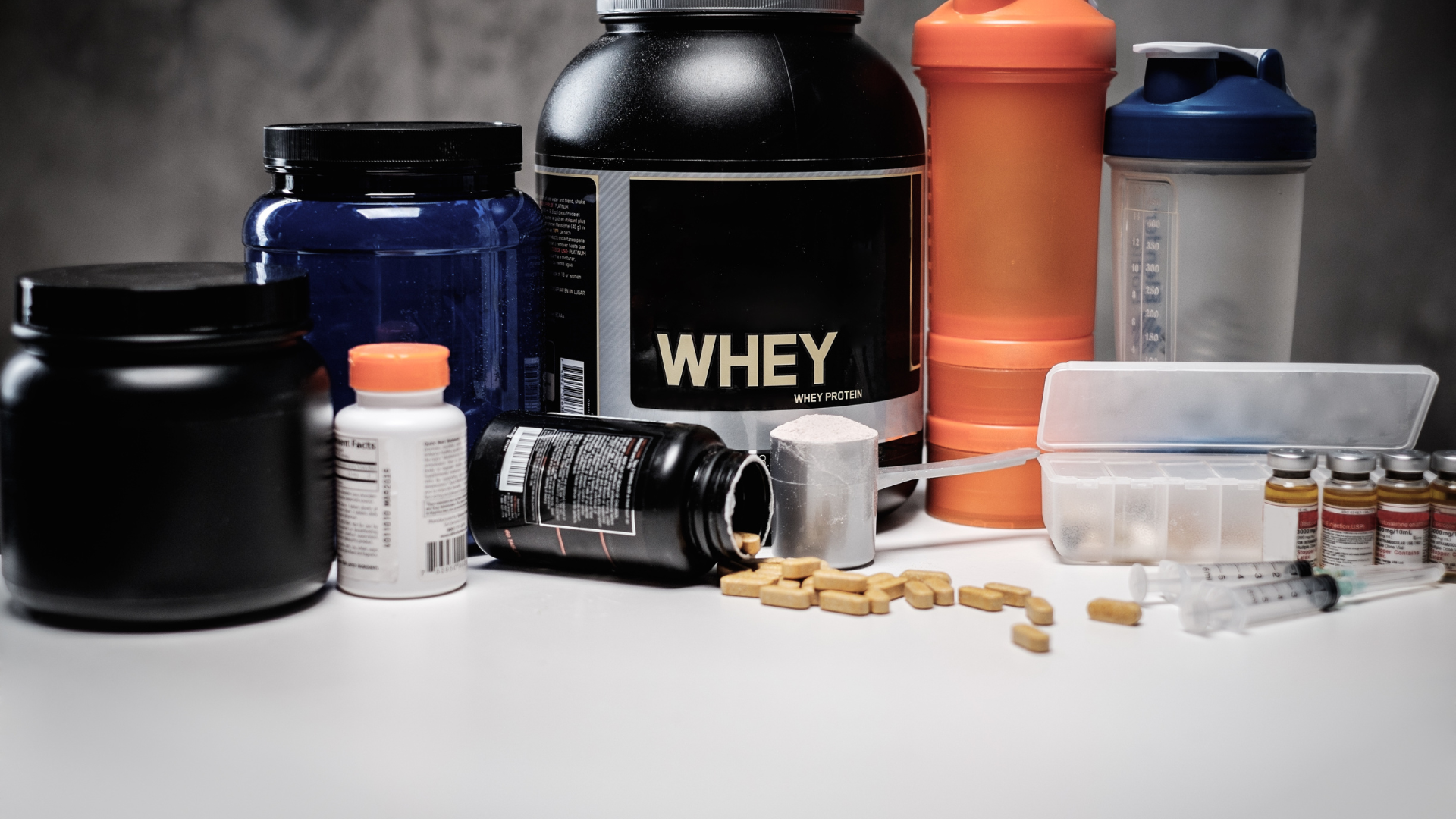
The Hockaday Rx Supplement Safety Scorecard—a comprehensive evaluation tool that assesses every product in your stack for safety, efficacy, purity, and compliance. Because the supplement industry's "trust us" approach to safety simply isn't good enough when your health and competitive career are on the line.
Your Supplement Stack Could Be Sabotaging Your Health Without You Knowing It
Walk into any athlete's kitchen and you'll likely find a cabinet full of supplements—protein powders, pre-workouts, recovery blends, vitamins, minerals, adaptogens, and more. The average competitive athlete takes between five and twelve different supplements regularly, many without understanding what's actually in them, how they interact with each other, or whether they're even safe.
The supplement industry has done an exceptional job convincing athletes that more is better, that natural means safe, and that if something is sold in stores, it must be properly regulated and tested. All three assumptions are dangerously wrong.
The reality is that approximately 70% of supplements are mislabeled regarding their actual contents, up to 20% of sports supplements contain banned substances not listed on the label, and thousands of athletes unknowingly take supplement combinations that create serious health risks or render their medications ineffective.
For athletes who demand evidence-based approaches to performance and recovery, understanding supplement safety risks isn't just important—it's potentially career-saving.
The Regulation Gap: Why You Can't Trust Labels
The fundamental problem with supplement safety starts with regulation—or rather, the almost complete lack of it. Unlike prescription medications that must undergo years of rigorous testing before reaching consumers, dietary supplements in the United States operate under the Dietary Supplement Health and Education Act of 1994, which places them in a regulatory gray area.
Under this framework, manufacturers are responsible for ensuring their products are safe but aren't required to prove it to the FDA before selling them. They don't need to demonstrate their products work as claimed, contain the ingredients listed on labels in the amounts specified, or are free from contamination. The FDA can only take action after a supplement causes harm, not before.
This creates a system where companies can make products in their garage, slap impressive claims on the label, and sell them nationally without any oversight. Even well-intentioned manufacturers operating legitimate facilities face minimal quality control requirements compared to pharmaceutical companies.
The consequences are measurable and disturbing. Independent laboratory analyses of commercially available supplements have found:
Label accuracy problems: 42% of supplements tested contained ingredients not listed on the label, while 40% didn't contain ingredients that were listed
Dosing inconsistencies: Products claiming to contain specific amounts of active ingredients often vary by 20-80% from labeled amounts batch to batch
Contamination issues: Supplements frequently contain heavy metals (lead, mercury, arsenic), pesticides, microbes, or residual solvents from manufacturing
Banned substances: Studies show 12-20% of supplements marketed to athletes contain prohibited substances including anabolic steroids, stimulants, or hormone modulators
For competitive athletes subject to drug testing, these statistics aren't just concerning—they're career-threatening. Strict liability policies mean you're responsible for anything found in your system regardless of how it got there. A contaminated supplement can end your athletic career even if you had no knowledge of the prohibited substance.
The Interaction Time Bomb: When Supplements Become Dangerous
Beyond contamination and mislabeling, the most insidious supplement safety risk involves interactions—both between different supplements and with prescription medications. Your liver and kidneys process supplements using the same enzyme systems that metabolize drugs, creating opportunities for dangerous interference.
Common High-Risk Interactions Athletes Face:
Fish Oil and Blood Thinners: Fish oil supplements are among the most popular for athletes seeking anti-inflammatory benefits, but they significantly increase bleeding risk when combined with anticoagulants like warfarin or antiplatelet medications like aspirin. Even over-the-counter pain relievers combined with high-dose fish oil can cause dangerous internal bleeding. For athletes preparing for surgery—even minor procedures—failure to discontinue fish oil can lead to excessive bleeding complications.
Calcium and Thyroid Medication: Calcium supplements taken for bone health can bind to levothyroxine in your digestive system, preventing absorption and rendering thyroid medication ineffective. This leaves hypothyroid athletes experiencing fatigue, weight gain, and impaired performance despite being on proper medication doses. The solution requires spacing doses by at least four hours, but most athletes taking both have never been told this.
Magnesium and Antibiotics: Magnesium supplements, popular for muscle recovery and sleep support, bind to fluoroquinolone and tetracycline antibiotics in the gut, reducing drug absorption by up to 80%. This allows infections to persist or worsen, potentially requiring stronger antibiotics or longer treatment courses. The interaction extends to some osteoporosis medications as well.
St. John's Wort and Everything: This herbal supplement used for mood support is involved in more clinically significant drug interactions than almost any other supplement. It induces liver enzymes that metabolize medications faster than intended, potentially reducing effectiveness of birth control pills, antidepressants, immunosuppressants, blood thinners, and numerous other drugs by 20-50%.
Pre-Workout Stimulants and ADHD Medications: Athletes taking prescription stimulants like Adderall or Ritalin who add high-caffeine pre-workouts or supplements containing multiple stimulants face dangerous cardiovascular effects including elevated blood pressure, rapid heart rate, and potentially cardiac arrhythmias. The combination can also affect certain asthma medications, multiplying risks.
These examples represent just a fraction of the thousands of potential supplement-drug interactions. The complexity multiplies exponentially with each additional supplement or medication in your regimen.
The "Natural" Fallacy: Why Plant-Based Doesn't Mean Safe
Perhaps the most dangerous misconception in supplement safety is the belief that natural or plant-based supplements carry no risk. Marketing departments have successfully convinced consumers that if something comes from nature rather than a laboratory, it must be inherently safer for your body.
This reasoning ignores fundamental pharmacology. Some of nature's most potent and dangerous compounds are completely natural—arsenic, cyanide, ricin, death cap mushroom toxins, and countless others. The critical factor isn't whether something is natural or synthetic but whether it's bioactive and at what dose.
Natural supplements can be just as powerful—and just as dangerous—as pharmaceutical drugs:
Yohimbine, derived from tree bark and sold as a fat burner and pre-workout ingredient, can cause dangerous elevations in blood pressure and heart rate, particularly when combined with stimulants. It's been linked to heart attacks, seizures, and kidney failure.
Kava, marketed for anxiety and stress, has caused severe liver damage requiring transplantation in multiple cases. The FDA has issued warnings, but kava products remain widely available.
Ephedra was finally banned after causing numerous deaths from heart attacks and strokes, but it was sold as a "natural" weight loss supplement for years despite clear evidence of cardiovascular dangers.
Kratom, promoted for pain relief and energy, acts on opioid receptors in the brain and has caused addiction, withdrawal syndromes, and deaths when combined with other substances.
The natural origin of these supplements didn't prevent them from causing serious harm. If a supplement is powerful enough to provide benefits, it's powerful enough to cause adverse effects—especially in combination with other substances or at inappropriate doses.
WADA Compliance: The Career-Ending Contamination Risk
For competitive athletes subject to drug testing, supplement safety extends beyond health concerns to include anti-doping compliance. The World Anti-Doping Agency maintains strict liability policies—you are responsible for any prohibited substance found in your system regardless of intent, knowledge, or source.
This creates enormous risk because supplement contamination with banned substances is frighteningly common. Research published in sports medicine journals has found:
12-18% of supplements contain anabolic agents not declared on labels
Pre-workout products frequently contain prohibited stimulants like DMAA, DMHA, or higenamine
Selective androgen receptor modulators (SARMs) appear in muscle-building supplements despite being prohibited
Pro-hormones and hormone precursors contaminate products even after regulatory crackdowns
These banned substances appear in supplements through intentional spiking (to make products more effective) or cross-contamination during manufacturing (when facilities produce both compliant and non-compliant products using shared equipment).
A single serving of a contaminated supplement can cause a positive drug test that results in:
Multi-year competitive bans
Loss of medals, titles, and records
Termination of sponsorships and endorsement deals
Permanent damage to reputation
End of professional athletic career
The financial and personal costs of a doping violation far exceed any potential benefit from supplementation. Yet thousands of athletes continue taking supplements without proper verification of purity and compliance.
The Solution: Comprehensive Supplement Safety Scorecards
Given the complexity of supplement safety risks—contamination, interactions, mislabeling, banned substances, dosing inconsistencies—how can athletes make informed decisions about supplementation?
The answer lies in comprehensive professional evaluation of every product in your stack. At Hockaday Rx, we developed our Supplement Safety Scorecard system to provide exactly this level of analysis.
What a Supplement Safety Scorecard Evaluates:
Product Purity and Quality: We verify third-party testing by independent laboratories, evaluate certificates of analysis for accuracy and completeness, assess manufacturing facility certifications and quality control practices, and identify contamination risks including heavy metals, pesticides, and microbial issues.
WADA Compliance: For competitive athletes, we screen every ingredient against current prohibited substances lists, identify high-risk products likely to contain undeclared banned substances, verify appropriate sport-specific certifications (NSF for Sport, Informed Sport, etc.), and assess cross-contamination risks from manufacturing facilities.
Drug Interaction Analysis: We evaluate potential interactions with all prescription medications you take, identify supplement combinations that create health risks, assess effects on medication absorption and metabolism, and provide specific timing recommendations to minimize interactions.
Efficacy and Evidence: We evaluate whether products are likely to work as claimed based on scientific literature, assess whether dosages meet therapeutic thresholds, identify products making unsupported claims, and recommend evidence-based alternatives when appropriate.
Overall Safety Rating: Each supplement receives a comprehensive safety score considering all risk factors, along with clear recommendations to continue, modify, or discontinue each product.
Get Your Supplement Stack Evaluated - Request Your Safety Scorecard
Real-World Impact: Case Studies in Supplement Safety
The difference between guessing at supplement safety and professional evaluation can be dramatic:
Case 1 - The Contaminated Pre-Workout: A collegiate track athlete was taking a popular pre-workout supplement purchased from a major retailer. Supplement scorecard analysis revealed the product contained DMHA, a prohibited stimulant. The athlete discontinued use three months before championship testing, avoiding a career-ending positive test that would have resulted from continued use.
Case 2 - The Medication Interaction: A masters-level cyclist taking thyroid medication for hypothyroidism was also supplementing with calcium and iron for bone health and performance. Both supplements were preventing thyroid medication absorption, leaving her chronically undertreated. Simple timing adjustments—spacing supplements four hours from medication—resolved persistent fatigue that she'd attributed to overtraining.
Case 3 - The Mislabeled Recovery Stack: A CrossFit athlete's recovery protocol included five different supplements, three of which contained overlapping ingredients at levels that exceeded safe upper limits when combined. The supplement scorecard identified excessive vitamin A intake (linked to liver damage) and potentially toxic selenium levels, allowing dose reductions before adverse effects occurred.
These aren't rare edge cases—they represent the typical findings when we conduct comprehensive supplement safety evaluations. Most athletes are unknowingly taking supplements that create risks, whether through contamination, interactions, or excessive dosing.
Take Control of Your Supplement Safety Today
Your supplement stack should support your performance and health goals, not create hidden risks that could derail your training, damage your health, or end your competitive career. Yet without professional pharmaceutical evaluation, you have no way to know whether your current supplements are safe, effective, or compliant with anti-doping regulations.
The supplement industry won't protect you—manufacturers aren't required to verify safety or purity before selling products. Retailers don't test what they stock. Marketing departments make claims unconstrained by evidence. Even well-intentioned companies produce contaminated or mislabeled products due to inadequate quality control.
Professional pharmaceutical guidance is the only way to ensure your supplement regimen is truly safe and aligned with your goals. At Hockaday Rx, our Supplement Safety Scorecard provides the comprehensive evaluation that every athlete needs but few ever receive.
What You Get with a Hockaday Rx Supplement Safety Scorecard:
Complete analysis of every supplement in your current stack
Verification of product quality, purity, and third-party testing
WADA compliance screening for competitive athletes
Drug interaction assessment with all medications you take
Evidence-based recommendations for each product
Safer alternative suggestions when needed
Personalized guidance from a sports pharmacist who understands both pharmaceutical science and athletic performance demands
Don't wait for a positive drug test, adverse reaction, or medication interaction to discover your supplements aren't safe. Take control of your supplement safety now with a professional evaluation from someone who actually understands the science.
Schedule Your Supplement Safety Scorecard Consultation
Your health is too important to trust to marketing claims. Your career is too valuable to risk on contaminated products. Your performance deserves evidence-based supplementation.
Get your Supplement Safety Scorecard from Hockaday Rx and supplement with confidence.
Brandon Hockaday, PharmD, is a USC-trained sports pharmacist specializing in WADA compliance and supplement safety for athletes. Hockaday Rx provides comprehensive supplement evaluations, medication management, and pharmaceutical guidance tailored to the unique needs of competitive and recreational athletes.
Request Your Supplement Safety Scorecard | Learn More About Our Services | Contact Us